As a leading supplier of high purity pharmaceutical intermediates, I am often asked about the refractive index characteristics of these essential compounds. The refractive index is a fundamental physical property that provides valuable insights into the composition, purity, and quality of pharmaceutical intermediates. In this blog post, I will delve into the significance of refractive index in the context of high purity pharmaceutical intermediates, explore the factors that influence it, and discuss how it can be used as a quality control parameter.
Understanding Refractive Index
The refractive index (RI) of a substance is defined as the ratio of the speed of light in a vacuum to the speed of light in the substance. It is a measure of how much a ray of light bends when it passes from one medium to another. The refractive index is a dimensionless quantity that depends on the wavelength of light and the temperature of the substance. In the pharmaceutical industry, the refractive index is typically measured at a specific wavelength (usually 589.3 nm, which corresponds to the D-line of sodium) and a specific temperature (usually 20°C).
The refractive index is an important physical property because it is related to the molecular structure and composition of a substance. Different substances have different refractive indices, and the refractive index of a mixture can be used to determine the relative amounts of its components. In the case of high purity pharmaceutical intermediates, the refractive index can be used to assess the purity of the compound and to detect the presence of impurities.
Significance of Refractive Index in High Purity Pharmaceutical Intermediates
In the pharmaceutical industry, the purity of pharmaceutical intermediates is of utmost importance. Impurities in pharmaceutical intermediates can have a significant impact on the safety and efficacy of the final drug product. Therefore, it is essential to ensure that pharmaceutical intermediates are of high purity and meet the strict quality standards set by regulatory authorities.
The refractive index is a valuable tool for assessing the purity of high purity pharmaceutical intermediates. A pure compound has a characteristic refractive index that is unique to that compound. Any deviation from this characteristic refractive index can indicate the presence of impurities. For example, if the refractive index of a high purity pharmaceutical intermediate is higher than the expected value, it may indicate the presence of a higher refractive index impurity. Conversely, if the refractive index is lower than the expected value, it may indicate the presence of a lower refractive index impurity.
In addition to assessing purity, the refractive index can also be used to monitor the quality of high purity pharmaceutical intermediates during the manufacturing process. By measuring the refractive index at different stages of the manufacturing process, it is possible to detect any changes in the composition or purity of the intermediate. This allows for timely adjustments to be made to the manufacturing process to ensure that the final product meets the required quality standards.
Factors Influencing Refractive Index
The refractive index of a high purity pharmaceutical intermediate is influenced by several factors, including the molecular structure, the concentration of the compound, the temperature, and the wavelength of light.


- Molecular Structure: The refractive index of a compound is determined by its molecular structure. Compounds with a higher degree of molecular symmetry and a higher density of electrons tend to have a higher refractive index. For example, aromatic compounds generally have a higher refractive index than aliphatic compounds because of the delocalized electrons in the aromatic ring.
- Concentration: The refractive index of a solution is proportional to the concentration of the solute. As the concentration of the solute increases, the refractive index of the solution also increases. This relationship is known as the refractive index-concentration relationship and can be used to determine the concentration of a solute in a solution.
- Temperature: The refractive index of a substance is inversely proportional to the temperature. As the temperature increases, the refractive index of the substance decreases. This is because the thermal expansion of the substance causes the molecules to move further apart, which reduces the density of the substance and, in turn, reduces the refractive index.
- Wavelength of Light: The refractive index of a substance varies with the wavelength of light. This phenomenon is known as dispersion. Different wavelengths of light are refracted to different degrees when they pass through a substance, resulting in a spectrum of colors. In the pharmaceutical industry, the refractive index is typically measured at a specific wavelength (usually 589.3 nm) to ensure consistency and comparability of results.
Using Refractive Index as a Quality Control Parameter
The refractive index is a widely used quality control parameter in the pharmaceutical industry. It is used to ensure the purity and quality of high purity pharmaceutical intermediates and to detect the presence of impurities. By measuring the refractive index of a pharmaceutical intermediate, it is possible to determine whether the intermediate meets the required quality standards.
In addition to measuring the refractive index of a pharmaceutical intermediate, it is also important to compare the measured value with the expected value. The expected value of the refractive index can be obtained from the literature or from previous batches of the same intermediate. If the measured value deviates significantly from the expected value, it may indicate the presence of impurities or a change in the composition of the intermediate.
In some cases, the refractive index may be used in conjunction with other analytical techniques, such as chromatography and spectroscopy, to provide a more comprehensive assessment of the purity and quality of a pharmaceutical intermediate. For example, chromatography can be used to separate and identify the individual components of a mixture, while spectroscopy can be used to determine the chemical structure and composition of the components.
Examples of High Purity Pharmaceutical Intermediates and Their Refractive Index Characteristics
At our company, we supply a wide range of high purity pharmaceutical intermediates, each with its own unique refractive index characteristics. Here are some examples of our products and their refractive index values:
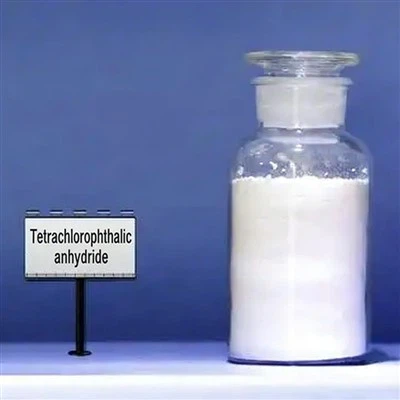
- Tetrachlorophthalic Anhydride for Pesticide Intermediates: Tetrachlorophthalic anhydride is a widely used intermediate in the production of pesticides. It has a refractive index of approximately 1.635 at 20°C. You can find more information about this product here.
- TCPA for Flame Retardant: TCPA (Tetrachlorophthalic acid) is a flame retardant intermediate. It has a refractive index of around 1.610 at 20°C. For more details, visit this link.
- Acid Red 94 Raw Material: Acid Red 94 is a raw material used in the production of dyes. It has a refractive index of about 1.550 at 20°C. You can learn more about this product here.
- Solvent Red 135 Raw Material: Solvent Red 135 is another raw material for dyes. It has a refractive index of approximately 1.580 at 20°C. For more information, click here.
- Pigment Yellow 110 Raw Material: Pigment Yellow 110 is a raw material for pigments. It has a refractive index of around 1.600 at 20°C. You can find more details here.
Conclusion
In conclusion, the refractive index is a valuable physical property that provides important information about the composition, purity, and quality of high purity pharmaceutical intermediates. By understanding the refractive index characteristics of these compounds and using them as a quality control parameter, it is possible to ensure the safety and efficacy of the final drug product.
If you are interested in purchasing high purity pharmaceutical intermediates or have any questions about their refractive index characteristics, please feel free to contact us. We are committed to providing our customers with high quality products and excellent customer service.
References
- Handbook of Pharmaceutical Excipients
- Pharmaceutical Analysis: A Textbook for Pharmacy Students and Pharmaceutical Chemists
- Journal of Pharmaceutical Sciences