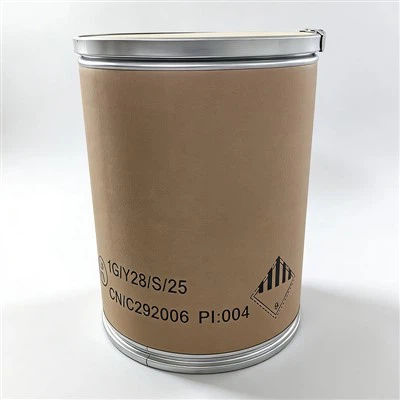
Safety management is a crucial aspect when dealing with Industrial grade TCPA (Tetrachlorophthalic Anhydride). As a supplier of Industrial grade TCPA, I've seen firsthand the importance of getting safety management right. In this blog, I'll share some of the best practices for safety management of Industrial grade TCPA.
Understanding TCPA
First off, let's have a quick look at what TCPA is. TCPA, or Tetrachlorophthalic Anhydride CAS 117-08-8, is an important industrial chemical. It's used in a variety of applications, like TCPA for Flame Retardant, TCPA for Epoxy Resin, and even as a Phthalocyanine Green G Raw Material. But with its wide - ranging uses comes the need for proper safety management.
Risk Assessment
The very first step in safety management is conducting a thorough risk assessment. This involves identifying all potential hazards associated with TCPA. TCPA can be harmful if inhaled, ingested, or comes into contact with the skin or eyes. It may also pose a risk to the environment if not handled properly.
We need to look at every stage of the supply chain, from production to transportation and storage. For example, during production, there could be risks of chemical spills or exposure due to high - pressure processes. When it comes to transportation, we have to consider the potential for accidents that could lead to the release of TCPA. And in storage, factors like temperature, humidity, and the proximity to other chemicals can all affect safety.
Employee Training
Employees are the front - line defenders in safety management. They need to be well - trained on how to handle TCPA safely. This training should cover everything from basic safety procedures to emergency response.
All employees who work with TCPA should know how to use personal protective equipment (PPE) correctly. PPE might include gloves, goggles, and respiratory protection. They should also be aware of the proper handling techniques, like how to transfer TCPA from one container to another without spills.
Regular safety training sessions should be held to keep employees updated on the latest safety practices. These sessions can include hands - on demonstrations, safety drills, and discussions about recent safety incidents related to similar chemicals.
Storage and Handling
Proper storage is key to preventing accidents. TCPA should be stored in a cool, dry place away from direct sunlight and heat sources. It should also be kept separate from incompatible substances, such as strong oxidizing agents or acids.
The storage area should be well - ventilated to prevent the build - up of vapors. And of course, all storage containers should be labeled clearly with the name of the chemical, its hazards, and any safety instructions.
When it comes to handling TCPA, there are a few rules to follow. Always use proper equipment for transferring and weighing. And make sure to handle containers gently to avoid breakage. If a spill occurs, there should be a pre - planned spill response procedure in place.
Transportation Safety
Transporting TCPA requires special attention. It should be transported in approved containers that are designed to prevent leaks and spills. The transport vehicles should also be equipped with safety features like emergency response equipment and spill containment materials.
Drivers and other transport personnel should be trained on the specific safety requirements for transporting TCPA. They need to know what to do in case of an accident, such as how to contain a spill and who to contact.
Emergency Response Planning
No matter how careful we are, accidents can still happen. That's why having a comprehensive emergency response plan is essential. This plan should detail the steps to be taken in case of a fire, spill, or other emergency involving TCPA.
There should be clear evacuation routes marked in the facility. And all employees should know where the emergency exits are and how to use emergency equipment, like fire extinguishers and spill kits.
Regular emergency drills should be carried out to ensure that everyone knows what to do in a real - life situation. These drills can also help identify any weaknesses in the emergency response plan so that it can be improved.
Safety Monitoring and Auditing
Safety management is an ongoing process. Regular safety monitoring and auditing are necessary to ensure that all safety procedures are being followed. This can include inspections of the storage areas, production facilities, and transport vehicles.


Audits should be conducted by independent experts to provide an unbiased assessment of the safety management system. Any non - compliance issues should be addressed immediately, and corrective actions should be taken to prevent future problems.
Regulatory Compliance
Compliance with relevant regulations is a must. Different countries and regions have their own laws and regulations regarding the handling, storage, and transportation of hazardous chemicals like TCPA. As a supplier, we need to stay up - to - date with these regulations and make sure that our operations are fully compliant.
This may involve obtaining the necessary permits and licenses, as well as following specific reporting requirements in case of incidents or spills.
Environmental Protection
Safety management also includes protecting the environment. TCPA can have a negative impact on the environment if released. So, we need to take measures to prevent environmental contamination.
This can include proper waste disposal practices. Any waste containing TCPA should be treated and disposed of in accordance with environmental regulations. We also need to be careful not to release TCPA into water bodies or the air.
Promoting a Safety Culture
Finally, creating a strong safety culture within the organization is crucial. Everyone in the company, from top management to front - line employees, should be committed to safety.
Management should lead by example, showing that safety is a top priority. Offering incentives for safe behavior can also encourage employees to take safety seriously. And open communication channels about safety should be established so that employees can report any safety concerns without fear of retaliation.
Conclusion
In conclusion, safety management of Industrial grade TCPA is a multi - faceted process that involves risk assessment, employee training, proper storage and handling, transportation safety, emergency response planning, safety monitoring, regulatory compliance, environmental protection, and promoting a safety culture.
As a supplier of Tetrachlorophthalic Anhydride (TCPA), I'm committed to ensuring the safe handling of this chemical throughout the supply chain. If you're interested in purchasing Industrial grade TCPA, I encourage you to reach out and start a conversation. We can discuss your specific needs and how we can ensure the safe and efficient delivery of our product.
References
- Chemical Safety Data Sheets for Tetrachlorophthalic Anhydride.
- Regulations on Hazardous Chemicals Management in International and Local Regions.
- Industry Best Practices for Chemical Safety Management.