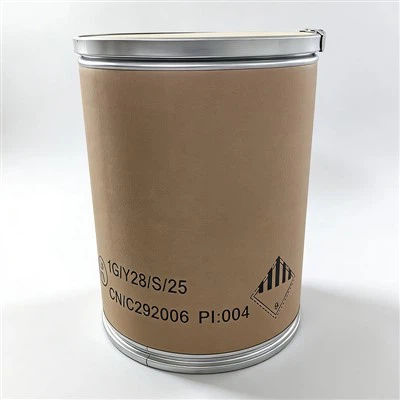
Hey there! As a supplier of Reagent Grade Tetrachlorophthalic Anhydride, I've been closely monitoring how its price fluctuates with different market conditions. Let's dive deep into this topic and understand what's really going on.


Understanding Reagent Grade Tetrachlorophthalic Anhydride
First off, let me give you a quick rundown of what Reagent Grade Tetrachlorophthalic Anhydride is. It's a crucial chemical compound with a wide range of applications. You can find our Reagent Grade Tetrachlorophthalic Anhydride being used in various industries. For example, it's an important TCPA Pigment Yellow 138 Intermediate, playing a key role in the production of certain pigments. It's also used as an Acid Red 92 Raw Material in the manufacturing of dyes. And don't forget its use as TCPA for Flame Retardant, which adds a safety element to many products.
Supply and Demand Dynamics
One of the most significant factors influencing the price of Reagent Grade Tetrachlorophthalic Anhydride is the balance between supply and demand. When the demand for this chemical goes up, but the supply doesn't keep pace, the price is likely to shoot up. For instance, if there's a sudden surge in the demand for pigments, and our High - purity Tetrachlorophthalic Anhydride (≥99.5%) is the go - to ingredient for these pigments, we might see a hike in the price.
On the supply side, there are several elements at play. Production issues can really mess things up. Let's say there are problems in the manufacturing plants, like equipment breakdowns or maintenance work. This can lead to a reduced supply of Reagent Grade Tetrachlorophthalic Anhydride. When this happens, and the demand remains the same or even increases, the shortage in supply causes the price to rise.
Raw Material Costs
The cost of raw materials used to produce Reagent Grade Tetrachlorophthalic Anhydride has a direct impact on its price. If the prices of the basic chemicals and substances needed for its production go up, we have no choice but to increase the price of our end - product. For example, if there's a spike in the cost of chlorine or phthalic anhydride, which are key components in making this chemical, it will be reflected in the price of Reagent Grade Tetrachlorophthalic Anhydride.
Global Economic Conditions
The global economic situation also plays a huge role. In a strong and growing economy, industries tend to expand and increase their production. This leads to a higher demand for chemicals like Reagent Grade Tetrachlorophthalic Anhydride. As the demand rises, so does the price.
On the other hand, during an economic downturn, industries cut back on production. They reduce their orders for raw materials, including our Reagent Grade Tetrachlorophthalic Anhydride. With less demand, the price usually goes down as suppliers try to sell their inventory.
Geopolitical Factors
Geopolitical events can have a big impact on the price of Reagent Grade Tetrachlorophthalic Anhydride. Trade policies, for example, can affect the import and export of this chemical. If there are new tariffs or trade restrictions imposed on the countries where we export our product, it can increase the cost of doing business. We might have to pass on these additional costs to our customers in the form of higher prices.
Political instability in the regions where the raw materials are sourced can also disrupt the supply chain. This disruption can lead to shortages and ultimately drive up the price of the final product.
Competition in the Market
The level of competition in the Reagent Grade Tetrachlorophthalic Anhydride market also affects the price. When there are many suppliers vying for the same customers, we often see price wars. Each supplier tries to offer a lower price than the others to attract more buyers. This can lead to a decrease in the overall market price.
However, if a particular supplier has a unique selling point, like offering a higher - purity product or better customer service, they might be able to charge a premium price. Our High - purity Tetrachlorophthalic Anhydride (≥99.5%) might be more expensive than some of the lower - grade products in the market, but customers are willing to pay extra for the quality and performance it offers.
Seasonal Variations
Believe it or not, there can be seasonal variations in the price of Reagent Grade Tetrachlorophthalic Anhydride. Some industries that use this chemical have peak production seasons. For example, the pigment industry might have a high - demand season during certain times of the year when there's more demand for paints and coatings. During these peak seasons, the demand for Reagent Grade Tetrachlorophthalic Anhydride goes up, and so does the price.
Environmental Regulations
Environmental regulations are becoming increasingly important in the chemical industry. Stricter regulations mean that suppliers like us have to invest more in compliance. This includes things like upgrading our production facilities to meet environmental standards or implementing waste - management systems. These additional costs are often passed on to the customers, resulting in a higher price for Reagent Grade Tetrachlorophthalic Anhydride.
How We Adapt to Market Conditions
As a supplier, we keep a close eye on all these market factors. We analyze the trends and try to anticipate how the price of Reagent Grade Tetrachlorophthalic Anhydride might change in the future. Based on this analysis, we make decisions about our production levels, pricing strategies, and inventory management.
We also try to build strong relationships with our customers. By understanding their needs and providing them with high - quality products and excellent service, we can maintain a stable customer base even during price fluctuations.
Looking to the Future
Predicting the future price of Reagent Grade Tetrachlorophthalic Anhydride is not easy. There are so many variables at play, and the market is constantly changing. However, one thing is for sure: we'll continue to closely monitor the market conditions and adapt our strategies accordingly.
If you're in need of Reagent Grade Tetrachlorophthalic Anhydride, we're here to help. Whether you're a small - scale manufacturer or a large industrial company, we can offer you the right product at a competitive price. Get in touch with us to start a conversation about your procurement needs. We're open to discussing long - term contracts, pricing structures, and how we can meet your specific requirements.
References
- Chemical Market Reports - Various issues related to Reagent Grade Tetrachlorophthalic Anhydride
- Industry Journals on the Chemical Manufacturing Sector
- Research Papers on Supply and Demand Economics in the Chemical Industry