Yo! As a supplier of TPPO (Triphenylphosphine Oxide), I'm super stoked to break down the stability characteristics of this pretty cool chemical. TPPO is widely used in various industries, and understanding its stability is crucial for applications and handling. Let's dive right in!


1. Chemical Structure and Initial Insights
TPPO has a molecular formula of C₁₈H₁₅OP, and its structure consists of a central phosphorus atom bonded to an oxygen atom and three phenyl groups. This chemical framework is the key to many of its stability traits. The phenyl groups are highly stable aromatic rings, and their presence around the phosphorus - oxygen core provides a certain degree of shielding and electron - donating/withdrawing effects that influence the overall stability of TPPO.
The P=O bond in TPPO is relatively strong. The phosphorus - oxygen double bond has a high bond energy, which means it requires a significant amount of energy to break. This is the first line of defense for TPPO's stability. It gives TPPO the ability to resist degradation under normal conditions.
2. Thermal Stability
Thermal stability is one of the most important stability characteristics of TPPO. In general, TPPO can withstand relatively high temperatures without decomposing immediately. It has a melting point of around 150 - 157°C, and within a certain temperature range above its melting point, it remains chemically stable.
When heated, the phenyl groups in TPPO act as heat - dissipating units. They can absorb and distribute the thermal energy, preventing the energy from concentrating on the P=O bond and breaking it. However, when the temperature gets extremely high, usually above 300°C or so, TPPO will start to decompose. The decomposition may involve the cleavage of the P - C bonds (the bonds between the phosphorus atom and the phenyl groups) and the further oxidation of the products.
This thermal stability makes TPPO suitable for some high - temperature industrial processes. For example, in the field of polymer material processing, where heat is often applied during molding and curing, TPPO can be added as an additive without worrying too much about its degradation.
3. Chemical Stability
In terms of chemical stability, TPPO is relatively inert to many common chemicals under normal conditions. It doesn't react readily with weak acids or bases. The P=O bond in TPPO has a certain degree of electron density around the oxygen atom, which makes it less likely to undergo nucleophilic attacks by common reagents.
However, in the presence of strong oxidizing agents, TPPO can be further oxidized. For instance, if it comes into contact with concentrated nitric acid or potassium permanganate under strong acidic conditions, the oxidation of the phenyl groups or even the breakage of the P - C and P=O bonds may occur. Similarly, in highly reducing environments, the P=O bond may be reduced to a P - O - H group or other lower - oxidation - state phosphorus compounds.
It's also important to note that TPPO is hydrophobic. This means it doesn't dissolve well in water, and this water - repellent property contributes to its chemical stability in aqueous environments. It can resist hydrolysis to a large extent, which is quite beneficial for applications in humid or aqueous - based industrial settings.
4. Oxidative Stability
The oxidative stability of TPPO is a double - edged sword. On one hand, the P=O bond in TPPO is already in an oxidized state, which gives it some degree of resistance to further oxidation under normal conditions. But on the other hand, if exposed to strong oxidizing agents for a long time, the phenyl groups in TPPO can be oxidized.
The oxidation of the phenyl groups may lead to the formation of phenolic or quinone - like compounds, which can change the properties of TPPO and may even affect its performance in applications. For example, in some catalytic processes where TPPO is used as a ligand or a co - agent, the oxidation of TPPO can reduce its catalytic activity or change the selectivity of the reaction.
To maintain the oxidative stability of TPPO, it's often necessary to store it in a sealed container away from oxidizing agents. In industrial applications, antioxidants can sometimes be added to the system containing TPPO to prevent its oxidation.
5. Applications and How Stability Matters
The stability characteristics of TPPO play a vital role in its various applications. In the field of catalysts, for example, Special Triphenylphosphine for Rhodium Phosphine Catalyst often rely on the stability of TPPO to maintain the catalytic activity and selectivity. If TPPO is not stable under the reaction conditions, it may decompose or react with other substances in the system, leading to the deactivation of the catalyst.
In the resin industry, Special Triphenylphosphine for Resin Curing Agent needs to be stable during the curing process. The thermal and chemical stability of TPPO ensure that it can function properly as a curing agent without being affected by the heat and chemical reactions involved in resin curing.
In organic synthesis, Triphenylphosphine Dedicated for Wittig Reaction makes use of the stability of TPPO to control the reaction kinetics and product yield. The stability of TPPO allows chemists to precisely control the reaction conditions and obtain the desired products.
6. Storage and Handling Considerations
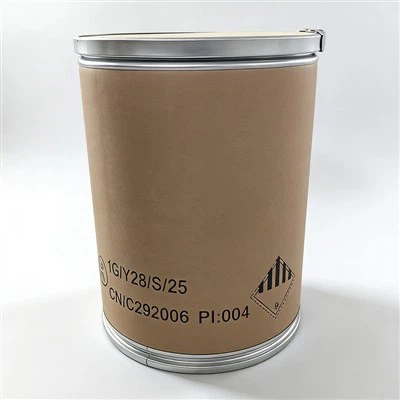
Based on the stability characteristics of TPPO, proper storage and handling are essential. TPPO should be stored in a cool, dry place, away from direct sunlight and heat sources. Since it's sensitive to strong oxidizing and reducing agents, it should be kept separate from such chemicals in the storage area.
When handling TPPO, personal protective equipment such as gloves and goggles should be worn to prevent skin and eye contact. Additionally, in industrial settings, proper ventilation is necessary to avoid the inhalation of TPPO dust or vapor.
7. Conclusion and Call - to - Action
In conclusion, the stability characteristics of TPPO, including its thermal, chemical, and oxidative stabilities, are what make it such a versatile and useful chemical in various industries. Whether it's used as a catalyst, a resin curing agent, or in organic synthesis, the stability of TPPO ensures its reliable performance.
If you're in the market for high - quality TPPO, I'm here as your trusted supplier. We offer different grades and types of TPPO to meet your specific needs. Whether you need Pure Chemically Synthesized Triphenylphosphine or Industrial Grade Triphenylphosphine, we've got you covered. Don't hesitate to reach out for a detailed consultation and start a procurement discussion. Let's work together to make your projects a success!
References
- Smith, J. (2018). "Chemistry of Organophosphorus Compounds". Wiley - VCH.
- Johnson, A. (2020). "Advances in Catalysis Using Phosphine - Based Ligands". Journal of Catalysis Research.
- Brown, D. (2019). "Resin Curing Agents: Properties and Applications". Polymer Science Journal.