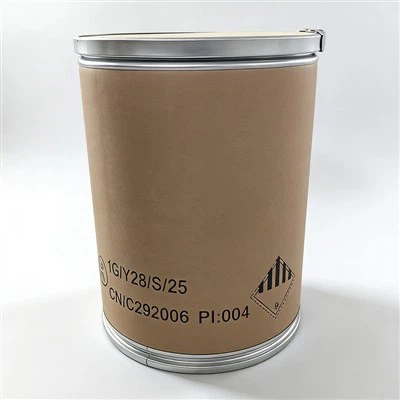
TPPO, or triphenylphosphine oxide, is a versatile compound that has found a multitude of applications in the adhesive industry. As a TPPO supplier, I've seen firsthand how this chemical can revolutionize the way adhesives are formulated and perform. In this blog post, I'll dive into the various uses of TPPO in the adhesive industry and explain why it's such a valuable addition to adhesive formulations.
Improving Adhesive Strength
One of the primary uses of TPPO in the adhesive industry is to improve the strength of adhesives. TPPO can act as a cross - linking agent, which helps to form strong chemical bonds between the adhesive and the surfaces it's bonding. When added to an adhesive formulation, TPPO can increase the cohesive strength of the adhesive, making it more resistant to shear and peel forces.
For example, in structural adhesives used in the automotive and aerospace industries, a higher adhesive strength is crucial. TPPO can enhance the performance of these adhesives, allowing them to hold up under extreme conditions such as high temperatures, vibrations, and mechanical stress. This results in more reliable and durable bonds, which are essential for the safety and longevity of the products.
Enhancing Heat Resistance
Another important application of TPPO in adhesives is to enhance their heat resistance. Adhesives used in high - temperature environments, such as in electronics manufacturing or industrial ovens, need to be able to withstand elevated temperatures without losing their bonding properties.


TPPO has a high melting point and good thermal stability, which makes it an ideal additive for heat - resistant adhesives. By incorporating TPPO into the adhesive formulation, the adhesive can maintain its integrity and bonding strength at high temperatures. This is particularly important in applications where the adhesive may be exposed to heat during the manufacturing process or in the end - use environment.
Flame Retardancy
Flame retardancy is a critical property for adhesives used in many applications, especially in building and construction, transportation, and electronics. TPPO can act as a flame retardant in adhesive formulations.
When exposed to fire, TPPO decomposes and releases phosphorous - containing compounds, which can react with the free radicals generated during the combustion process. This reaction can suppress the spread of flames and reduce the amount of heat and smoke produced. By adding TPPO to an adhesive, manufacturers can meet the strict fire safety regulations and standards in different industries.
Improving Chemical Resistance
Adhesives often come into contact with various chemicals in their end - use environments. TPPO can improve the chemical resistance of adhesives, making them more resistant to solvents, acids, and bases.
In applications such as chemical storage tanks or industrial pipelines, adhesives need to be able to withstand the corrosive effects of the chemicals they are in contact with. TPPO can help to protect the adhesive from chemical attack, ensuring that the bond remains intact over time. This not only extends the lifespan of the adhesive but also enhances the overall performance and reliability of the bonded structures.
Compatibility with Other Additives
TPPO is also highly compatible with other additives commonly used in adhesive formulations. This allows manufacturers to combine TPPO with other ingredients such as fillers, plasticizers, and curing agents to achieve the desired properties in the adhesive.
For instance, when formulating an adhesive with a specific viscosity or flexibility, TPPO can be used in conjunction with other additives to fine - tune the adhesive's performance. It can work well with Special Triphenylphosphine for Rhodium Phosphine Catalyst, Triphenylphosphine Dedicated for Wittig Reaction, Special Triphenylphosphine for Resin Curing Agent, Triphenylphosphine for Polyurethane Anti - yellowing, and Triphenylphosphine Used To Enhance Luminous Efficiency in OLEDs in different adhesive systems, providing a wide range of options for adhesive formulators.
Cost - effectiveness
From a cost perspective, TPPO is a cost - effective additive for the adhesive industry. A small amount of TPPO can have a significant impact on the performance of the adhesive. This means that manufacturers can achieve the desired properties in their adhesives without having to use large quantities of more expensive additives.
By using TPPO, adhesive manufacturers can reduce their production costs while still maintaining high - quality products. This is especially important in a competitive market where cost - efficiency is a key factor in the success of a business.
Contact for Procurement
If you're in the adhesive industry and looking for a reliable TPPO supplier, I'd love to have a chat with you. Whether you're formulating a new adhesive or looking to improve an existing one, TPPO can offer a range of benefits. Contact me to discuss your specific requirements and let's work together to find the best TPPO solution for your adhesive products.
References
- "Handbook of Adhesive Technology", edited by Skeist, I.
- "Adhesives and Sealants Technology", various issues.
- Technical literature on triphenylphosphine oxide from chemical research institutions.