Hey there! As a supplier of Flame - retardant Tetrachlorophthalic Anhydride, I've got a lot to share about how this nifty chemical performs in high - humidity environments. So, let's dive right in!
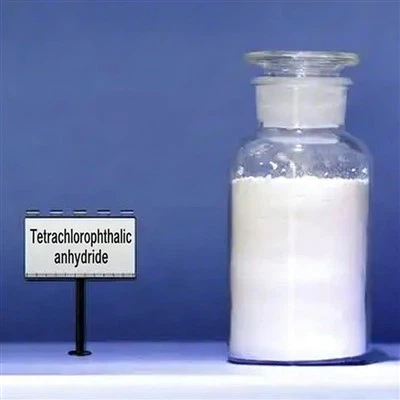
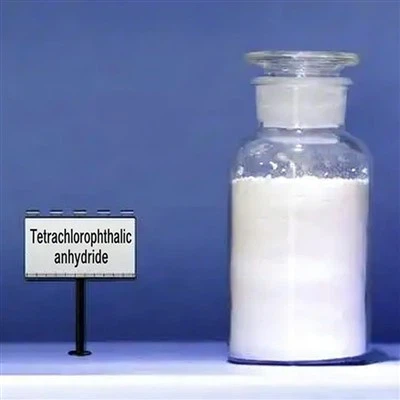
First off, what exactly is Tetrachlorophthalic Anhydride? Well, it's a chemical compound with the CAS number 117 - 08 - 8. You can find more details about it on this page: Tetrachlorophthalic Anhydride CAS 117 - 08 - 8. It's widely used as a raw material for various products, like Solvent Red 135 Raw Material, Pigment Yellow 110 Raw Material, and it's also great for flame - retardant applications, which is what we're mainly interested in here. Check out TCPA for Flame Retardant for more info.
Now, high - humidity environments can be a real challenge for a lot of materials. You've got all that moisture in the air, and it can cause all sorts of problems like corrosion, degradation, and reduced performance. But how does Flame - retardant Tetrachlorophthalic Anhydride hold up?
Physical and Chemical Stability
One of the first things to consider is its physical and chemical stability. In high - humidity environments, moisture can react with chemicals, causing them to break down or change their properties. But Tetrachlorophthalic Anhydride is pretty stable. Its chemical structure is designed in such a way that it resists the effects of moisture to a large extent.
The chlorine atoms in its structure play a crucial role here. They create a sort of protective shield around the molecule, making it less likely to react with water molecules in the air. This means that even in a damp environment, the basic chemical nature of Tetrachlorophthalic Anhydride remains relatively unchanged.
Flame - Retardant Performance
The main reason we're using this stuff is for its flame - retardant properties, right? Well, in high - humidity conditions, it still does a pretty good job. When exposed to fire, it releases chlorine - containing gases. These gases act as fire suppressants by diluting the oxygen in the air around the fire and interfering with the combustion process.
The high humidity doesn't really affect the ability of Tetrachlorophthalic Anhydride to release these chlorine - based fire - fighting gases. So, whether it's a dry day or a super humid one, you can count on it to help prevent or slow down the spread of fire.


However, there are a few things to keep in mind. In extremely high - humidity situations, the surface of materials treated with Tetrachlorophthalic Anhydride might get a bit damp. This could potentially affect the initial contact between the fire and the flame - retardant. But once the fire starts to heat up the material, the flame - retardant kicks in just as effectively.
Compatibility with Other Materials
In real - world applications, Tetrachlorophthalic Anhydride is often used in combination with other materials. High humidity can sometimes cause problems when it comes to the compatibility of different substances.
But luckily, this flame - retardant is quite versatile. It can be used in various polymers, resins, and plastics. And in high - humidity environments, it generally maintains its compatibility with these materials. There's no significant swelling, cracking, or separation that you might see with some other chemicals.
Of course, it's always a good idea to test the specific combination of Tetrachlorophthalic Anhydride with the other materials you're using in a high - humidity setting before large - scale production.
Applications in High - Humidity Areas
So, where can we actually use Flame - retardant Tetrachlorophthalic Anhydride in high - humidity environments? Well, there are quite a few places.
In coastal areas, where the air is constantly humid due to the ocean, buildings and infrastructure need to be fire - proofed. Tetrachlorophthalic Anhydride can be used in the insulation materials of these buildings. It helps to prevent fires from spreading through the walls and ceilings, even in the face of the high - moisture air.
Industrial settings near water bodies or with high - humidity processes also benefit from this chemical. For example, in paper mills or textile factories, where there's a lot of water and steam involved, using Tetrachlorophthalic Anhydride in the electrical wiring insulation can reduce the risk of fire.
Storage and Handling in High - Humidity
If you're planning to use Tetrachlorophthalic Anhydride in high - humidity areas, proper storage and handling are key. You should store it in a sealed container to prevent moisture from getting in. A cool, dry storage area is ideal, but if that's not possible, make sure the container is made of a material that can resist corrosion from the moisture.
When handling it, wear appropriate protective gear. Even though it's stable in high - humidity, you still don't want to get it on your skin or in your eyes.
Conclusion
In conclusion, Flame - retardant Tetrachlorophthalic Anhydride performs quite well in high - humidity environments. Its physical and chemical stability, along with its consistent flame - retardant performance, make it a great choice for a variety of applications in damp conditions. Whether you're in the construction, industrial, or manufacturing sector, it can help you meet your fire - safety requirements.
If you're interested in purchasing Tetrachlorophthalic Anhydride for your projects, don't hesitate to reach out. We're here to offer the best quality product and support for your needs. Feel free to explore our products further at Tetrachlorophthalic Anhydride (TCPA) and get in touch for a detailed discussion.
References
- Chemical Engineering Handbook
- Fire Safety Research Journal
- Polymer Science and Technology Publications