Hey there! As a supplier of reactive flame retardants, I've been thinking a lot about the environmental impacts of our production processes. You know, reactive flame retardants are super important in many industries because they help prevent fires, which is a big deal for safety. But, like any industrial product, making them has some environmental consequences that we need to be aware of.
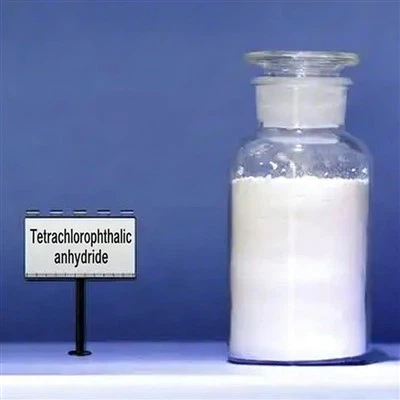
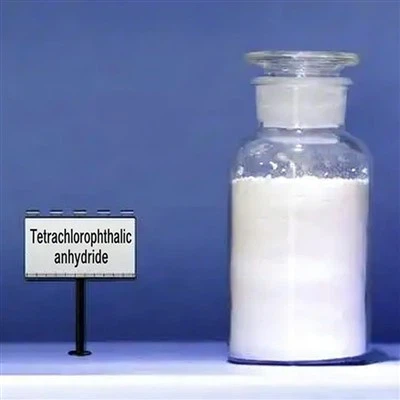
Let's start with the raw materials. Some of the chemicals used to make reactive flame retardants can be pretty harmful to the environment. For example, Tetrachlorophthalic Anhydride Tetrachlorophthalic Anhydride CAS 117 - 08 - 8 is a key ingredient in some of our products. This chemical can have negative impacts on aquatic life if it's released into the water. When it gets into rivers, lakes, or oceans, it can disrupt the ecosystem, affecting fish, plants, and other organisms.
The production of Reagent Grade Tetrachlorophthalic Anhydride also involves a lot of energy. We need to heat and cool the chemicals at different stages of the process, and that requires a significant amount of electricity. Most of the electricity we use comes from non - renewable sources like coal and natural gas, which means we're contributing to greenhouse gas emissions. These emissions are a major cause of climate change, which is having all sorts of bad effects on our planet, such as rising temperatures, melting ice caps, and more extreme weather events.
Another aspect is the waste generated during production. There are often by - products and leftover chemicals that we need to dispose of properly. If not, they can contaminate the soil and groundwater. For instance, when making reactive flame retardants that use Pigment Yellow 110 Raw Material, the waste management can be tricky. Some of these waste products can be toxic and persistent in the environment, meaning they stay around for a long time and keep causing problems.
The use of Acid Red 94 Raw Material in our production is also a concern. The production of this material can lead to the release of pollutants into the air. These pollutants can cause air quality problems, like smog and acid rain. Smog is not only bad for the environment but also for our health. It can cause respiratory problems, especially for people with asthma and other lung conditions. Acid rain can damage forests, lakes, and buildings.
Now, we're not just sitting around doing nothing about these issues. We're constantly looking for ways to reduce our environmental impact. For example, we're working on improving the efficiency of our production processes to use less energy. By using better equipment and optimizing our operations, we can cut down on our electricity consumption and, in turn, reduce our greenhouse gas emissions.
We're also exploring more sustainable raw materials. Instead of using chemicals that are highly harmful to the environment, we're looking into alternatives that are biodegradable or have a lower environmental footprint. For instance, we're researching whether we can replace some of the traditional chemicals with High - purity Tetrachlorophthalic Anhydride (≥99.5%), which has a higher purity and might have fewer negative environmental impacts.
In terms of waste management, we're implementing better recycling and treatment methods. We're trying to turn our waste into something useful, rather than just throwing it away. For example, we're looking into ways to recycle some of the by - products and use them in other industrial processes.
But we can't do this alone. We need the support of our customers, partners, and the whole industry. If you're in the market for reactive flame retardants, we'd love to talk to you about our commitment to environmental sustainability. We believe that by working together, we can meet your safety needs while also protecting our planet. If you have any questions or are interested in discussing a potential order, feel free to reach out. Let's have a chat about how we can move forward in a more sustainable way.


References
- Environmental Protection Agency (EPA). The impact of industrial chemical production on the environment.
- International Journal of Green Chemistry. Studies on reducing the environmental footprint of flame retardant production.
- World Health Organization (WHO). Health and environmental effects of air and water pollutants from industrial processes.