Quality control is the backbone of supplying high purity pharmaceutical intermediates. As a supplier in this industry, I understand firsthand how crucial it is to have top - notch quality control systems. In this blog, I'll share the key aspects of the quality control systems we employ to ensure that our high purity pharmaceutical intermediates meet the highest standards.
Firstly, raw material inspection is the very starting point of our quality control journey. The quality of raw materials directly impacts the final product. We have a strict set of criteria for selecting our raw material suppliers. We conduct in - depth background checks on them, looking into their production facilities, quality management systems, and previous customer feedback. When the raw materials arrive at our warehouse, we perform a series of tests. For instance, we check the purity of the substances using high - performance liquid chromatography (HPLC). This method helps us accurately determine the concentration of the active ingredients in the raw materials. Also, we use infrared spectroscopy to identify the chemical functional groups present, ensuring that the raw materials match our specified requirements.
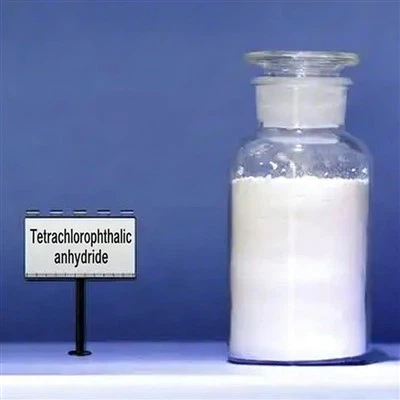
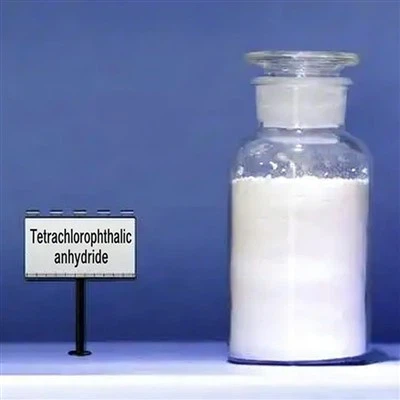
Let's say we're dealing with tetrachlorophthalic anhydride, which is widely used in various applications. Our high - purity tetrachlorophthalic anhydride (≥99.5%) High - purity Tetrachlorophthalic Anhydride (≥99.5%) goes through a rigorous raw material inspection process. We make sure that it doesn't contain any harmful impurities like heavy metals. And for its use in different fields, we have specific purity requirements for each. For example, when it's used as a Phthalocyanine Green G Raw Material, the purity needs to be extremely high to ensure the quality of the final dye product.
During the production process, we have a real - time monitoring system in place. Every step of the synthesis and purification of pharmaceutical intermediates is closely watched. We use automated control systems to regulate reaction parameters such as temperature, pressure, and reaction time. Even a slight deviation in these parameters can lead to changes in the product's quality. Our operators are trained to handle these systems and react quickly in case of any anomalies.
We also implement in - process sampling and testing. Samples are taken at regular intervals from different stages of the production line. These samples are then analyzed in our on - site laboratories. For example, if we're producing an acid red 94 raw material Acid Red 94 Raw Material, we use thin - layer chromatography (TLC) to check the progression of the reaction. TLC helps us understand if the reaction is proceeding as expected and if there are any unwanted by - products forming. If we detect any issues, we can immediately adjust the production process to correct them.
Another important part of our quality control system is the personnel training. All our employees, from production workers to quality control inspectors, are regularly trained. They need to be aware of the latest industry standards and our company's internal quality control procedures. We organize workshops and training sessions to keep their knowledge up - to - date. This way, we can ensure that everyone involved in the production and quality control processes is skilled and competent.
Once the production is complete, the final product goes through a comprehensive batch - release testing. This is a multi - step process that includes both physical and chemical tests. Physically, we check the appearance, color, and particle size of the product. Chemically, we perform a full spectrum of analyses. For example, we use gas chromatography - mass spectrometry (GC - MS) to identify and quantify all the components in the product. This helps us confirm the purity of the pharmaceutical intermediate and detect any trace impurities.
If the product is TCPA for Epoxy Resin, we also conduct specific performance tests related to its use in epoxy resin production. We test its compatibility with epoxy resins, its curing properties, and its impact on the final mechanical properties of the epoxy resin product. Only when the product passes all these tests can it be released for distribution.
In addition to our internal quality control, we also cooperate with third - party testing institutions. We send samples of our products to independent laboratories for verification. These institutions have highly advanced equipment and professional inspectors. Their test results provide an objective and reliable evaluation of our products. If there are any discrepancies between our internal test results and those of the third - party laboratories, we immediately initiate an investigation to find out the cause.
Furthermore, we have a strict product traceability system. Every batch of our high purity pharmaceutical intermediates has a unique identification code. This code is linked to all the information about the product, including the raw materials used, the production date, the production process parameters, and the test results. In case of any quality issues in the future, we can quickly trace back every step of the product's production journey. This not only helps us solve quality problems efficiently but also provides reassurance to our customers.


If we're supplying Tetrachlorophthalic Anhydride for Pesticide Intermediates, the traceability system is especially important. Pesticide production has strict regulations, and our ability to provide detailed product information is crucial for our customers to meet these requirements.
Our commitment to quality is unwavering, and our quality control systems are designed to protect both our customers and our reputation. We understand that high - quality pharmaceutical intermediates are the building blocks of safe and effective drugs. By adhering to these strict quality control measures, we can ensure that our products consistently meet or exceed the expectations of our customers.
If you're in the market for high purity pharmaceutical intermediates and are looking for a reliable supplier, we'd love to hear from you. Whether you have questions about our products, our quality control systems, or are ready to discuss a purchase, reach out for a friendly chat. Let's work together to find the best solutions for your pharmaceutical needs.
References
- International Conference on Harmonisation of Technical Requirements for Registration of Pharmaceuticals for Human Use (ICH). Quality Guidelines.
- United States Pharmacopeia (USP). General Chapters and Monographs related to Pharmaceutical Substances and Excipients.
- European Pharmacopoeia. Quality Control Methods for Pharmaceutical Intermediates.