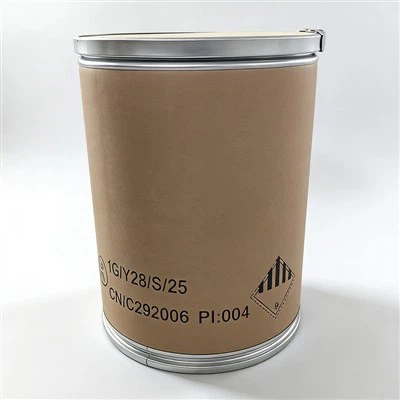
Hey there! As a supplier of triphenylphosphine, I often get asked a bunch of questions about this chemical. One of the most common ones is, "Can triphenylphosphine be used to modify the surface of materials?" Well, let's dive into this topic and find out.
First off, what the heck is triphenylphosphine anyway? It's a white crystalline solid with the chemical formula (C₆H₅)₃P. It's widely used in organic synthesis as a ligand for transition - metal catalysts, a reducing agent, and in a whole bunch of other chemical reactions. But when it comes to surface modification, things get a bit more interesting.
How Surface Modification Works
Surface modification is all about changing the properties of a material's surface. You might want to make it more hydrophilic (water - loving), more hydrophobic (water - hating), or improve its adhesion, corrosion resistance, or biocompatibility. There are several methods to do this, like coating, grafting, and chemical reactions.
Triphenylphosphine in Surface Modification
So, can triphenylphosphine play a role here? The answer is yes, and here's how.
Coordination Chemistry
Triphenylphosphine is an excellent ligand. It has a phosphorus atom with a lone pair of electrons that can form coordination bonds with metal ions. When a material has metal ions on its surface, triphenylphosphine can bind to them. For example, in the case of metal nanoparticles, triphenylphosphine can form a monolayer on the surface. This changes the surface's chemical properties. It can prevent the nanoparticles from aggregating, which is a big deal in applications like catalysis. If you're interested in the quality of triphenylphosphine for such applications, check out our Triphenylphosphine for Catalyst Ligands.
Redox Reactions
Triphenylphosphine is a reducing agent. Some materials might have surface species that can be reduced by triphenylphosphine. When this reduction occurs, the surface composition changes. For instance, metal oxides on a material's surface can be reduced to metals under certain conditions. This reduction can lead to changes in the surface's conductivity, reactivity, and other properties. Our Pure Chemically Synthesized Triphenylphosphine is a great choice for such redox - based surface modification processes as it offers high purity.
Organic Reactions on the Surface
Triphenylphosphine can be involved in a variety of organic reactions. For example, it can participate in the Wittig reaction. If a material has appropriate functional groups on its surface, the Wittig reaction can be carried out using triphenylphosphine. This can introduce new organic groups to the surface, altering its chemical and physical properties.
Applications of Triphenylphosphine - Modified Surfaces
Now that we know it can be used for surface modification, let's look at some real - world applications.
Catalysis
As I mentioned earlier, triphenylphosphine - modified metal nanoparticles are great for catalysis. The surface modification can improve the dispersion of the nanoparticles and tune their catalytic activity. For example, in the hydroformylation reaction, rhodium - triphenylphosphine catalysts are used. If you're in the market for a special triphenylphosphine for rhodium phosphine catalysts, we have Special Triphenylphosphine for Rhodium Phosphine Catalyst available.
Biomedical Applications
In the biomedical field, surface modification is crucial. A material with a triphenylphosphine - modified surface can exhibit improved biocompatibility. It can be used for drug delivery systems, where the modified surface can control the release of drugs. Our Pharmaceutical Grade Triphenylphosphine meets the strict requirements for such applications.
Dyeing and Textile Industries
Triphenylphosphine can be used to modify the surface of textiles. A specially designed triphenylphosphine can act as a brightening agent. It can react with the dye molecules on the textile surface, making the color more vivid and long - lasting. Take a look at our Special Triphenylphosphine for Dye Brightening Agent if you're in this industry.
Factors to Consider
When using triphenylphosphine for surface modification, there are a few things you need to keep in mind.
Compatibility
You need to make sure that the material you're trying to modify is compatible with triphenylphosphine. Some materials might react in an unwanted way, or the modification might not work as expected.


Reaction Conditions
The reaction conditions, such as temperature, pressure, and solvent, play a big role. Different reactions might require different conditions to achieve the desired surface modification.
Purity
The purity of triphenylphosphine is crucial. Impurities can interfere with the surface - modification process and affect the final properties of the modified material. That's why we offer high - purity triphenylphosphine products.
In Conclusion
In a nutshell, triphenylphosphine can definitely be used to modify the surface of materials. It offers a wide range of possibilities through coordination chemistry, redox reactions, and organic reactions. With applications in catalysis, biomedicine, and the textile industry, it's a versatile chemical.
If you're interested in using triphenylphosphine for surface modification or any other application, we're here to help. We offer a variety of high - quality triphenylphosphine products to meet your needs. Whether you need pharmaceutical - grade, catalyst - specific, or dye - brightening triphenylphosphine, we've got you covered. Get in touch with us to start a procurement discussion and find out how we can supply the right triphenylphosphine for your project.
References
- Smith, J. (2019). "Advanced Surface Modification Techniques". Journal of Materials Science.
- Johnson, A. (2020). "Coordination Chemistry of Triphenylphosphine". Organic Chemistry Review.
- Brown, C. (2021). "Applications of Triphenylphosphine in Biomedical Engineering". Biomedical Journal.