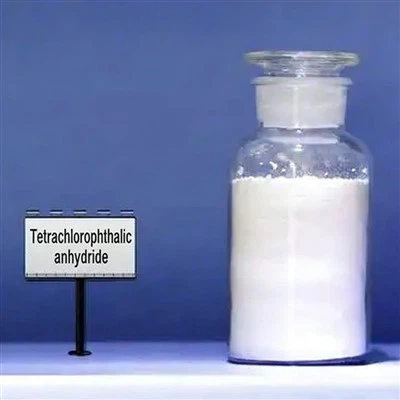
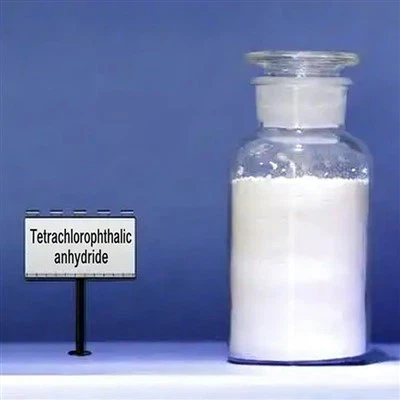
Hey there! As an industrial grade TCPA (Tetrachlorophthalic Anhydride) supplier, I often get asked about the waste disposal methods for this chemical. It's a crucial topic, not just for environmental reasons but also for legal and safety compliance. So, let's dive right in and explore the different ways to handle TCPA waste.
Understanding Industrial Grade TCPA
First off, I'd like to quickly introduce our product range. We offer High-purity Tetrachlorophthalic Anhydride (≥99.5%), which is used in various applications. For instance, it's a key ingredient in TCPA for Epoxy Resin, TCPA for Polyester Resin, and serves as a Pigment Yellow 110 Raw Material. You can find more details about Tetrachlorophthalic Anhydride (TCPA) on our website.
Why Proper Waste Disposal Matters
Before we get into the methods, it's important to understand why proper waste disposal of TCPA is so important. TCPA is a chemical compound, and if not disposed of correctly, it can have serious environmental and health impacts. It can contaminate soil, water, and air, leading to long - term ecological damage. Additionally, many countries have strict laws and regulations regarding the disposal of hazardous chemicals like TCPA. Non - compliance can result in hefty fines and legal issues for businesses.
Waste Disposal Methods for Industrial Grade TCPA
Incineration
One of the most common waste disposal methods for TCPA is incineration. Incineration involves burning the TCPA waste at high temperatures in a specially designed incinerator. The high temperatures break down the TCPA into simpler, less harmful compounds.
However, incineration isn't without its challenges. It needs to be done in a controlled environment to ensure that no harmful by - products are released into the atmosphere. Special emission control systems are required to capture pollutants like dioxins and furans, which can be formed during the incineration process. Also, the incinerators need to be regularly maintained to ensure their efficiency and safety.
Chemical Treatment
Chemical treatment is another option. This method involves reacting the TCPA waste with other chemicals to neutralize or transform it into less hazardous substances. For example, some chemical reactions can convert TCPA into compounds that are more easily biodegradable.
The advantage of chemical treatment is that it can be done on - site in some cases, which reduces the need for transportation of hazardous waste. But it requires a good understanding of chemistry and proper safety measures. The chemicals used in the treatment process also need to be carefully selected and managed to avoid creating new environmental problems.
Landfill Disposal (with Precautions)
Landfill disposal is a less preferred option for TCPA waste, but it can be used if certain precautions are taken. First, the TCPA waste needs to be properly contained in special containers to prevent leakage. The landfill site should also be a hazardous waste landfill, which has liners and leachate collection systems to prevent the waste from contaminating the soil and groundwater.
However, the long - term stability of TCPA in landfills is still a concern. There's a risk that over time, the waste could break down and release harmful substances into the environment. So, landfill disposal should only be considered as a last resort.
Recycling
Recycling is an ideal waste disposal method as it reduces the need for new raw materials and minimizes waste. In the case of TCPA, recycling can involve recovering and reusing the chemical in other industrial processes. However, recycling TCPA is technically challenging and requires specialized equipment and expertise.
For example, some recycling processes involve separating TCPA from other impurities through distillation or crystallization. If successful, recycling not only helps the environment but also reduces the production costs for industries that use TCPA.


Best Practices for TCPA Waste Disposal
Storage
Proper storage of TCPA waste is crucial before disposal. It should be stored in a cool, dry place away from sources of ignition and incompatible substances. The storage containers should be labeled clearly with the contents and any hazard warnings.
Record - Keeping
Maintaining accurate records of the waste generation, storage, and disposal is essential. This includes details such as the quantity of waste, the date of generation, and the method of disposal. These records can be used for regulatory compliance and auditing purposes.
Training
Employees involved in the handling and disposal of TCPA waste should receive proper training. They need to understand the hazards associated with TCPA, the correct handling procedures, and the safety measures to take in case of an emergency.
Regulations and Compliance
As I mentioned earlier, different countries have different regulations regarding the disposal of TCPA. For example, in the European Union, the Waste Framework Directive sets out the general principles for waste management, including the disposal of hazardous chemicals. In the United States, the Environmental Protection Agency (EPA) has strict rules for the handling and disposal of industrial waste.
It's crucial for businesses to stay updated with the local regulations and ensure that their waste disposal practices are in compliance. This may involve getting permits, following specific reporting requirements, and using approved disposal methods and facilities.
Conclusion
In conclusion, there are several waste disposal methods for industrial grade TCPA, each with its own advantages and challenges. Incineration, chemical treatment, landfill disposal (with precautions), and recycling are all options, but the choice depends on various factors such as the quantity of waste, availability of facilities, and regulatory requirements.
Proper waste disposal is not only a legal obligation but also a moral responsibility. We, as an industrial grade TCPA supplier, are committed to promoting sustainable and safe practices. If you're in the market for high - quality TCPA or have any questions about waste disposal, feel free to reach out to us for a procurement discussion. We're here to help you make the best decisions for your business and the environment.
References
- European Commission. Waste Framework Directive.
- United States Environmental Protection Agency. Regulations on Industrial Waste Disposal.