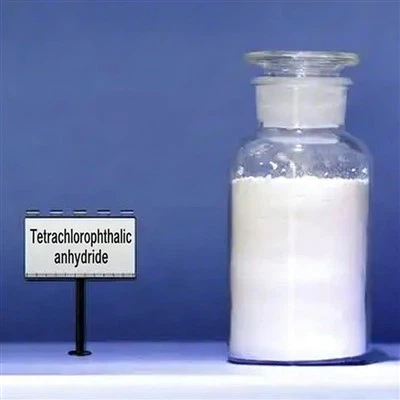
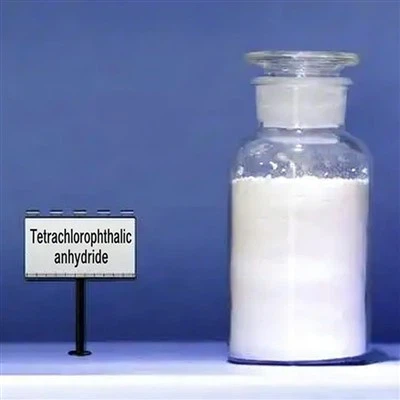
Hey there! I'm a supplier of industrial grade TCPA (Tetrachlorophthalic Anhydride), and today I want to chat about the packaging requirements for this stuff. It's super important to get the packaging right, as it can affect the quality and safety of the product during storage and transportation.
Why Proper Packaging Matters
First off, let's talk about why we even need to pay attention to packaging. Industrial grade TCPA is a chemical, and like any chemical, it needs to be protected from the environment. Exposure to moisture, air, and other contaminants can degrade the quality of the TCPA, which can then affect its performance in various applications.
For example, if you're using TCPA as a Pigment Yellow 110 Raw Material, any degradation in the quality of the TCPA can lead to inconsistent color results in the pigment. Similarly, when it's used as a Phthalocyanine Green G Raw Material, the final product's properties can be compromised.


General Packaging Requirements
Material Selection
The packaging material is crucial. For industrial grade TCPA, we usually go for high - density polyethylene (HDPE) drums or lined steel drums. HDPE is great because it's resistant to corrosion and has good chemical stability. It can protect the TCPA from external factors like moisture and oxygen.
Lined steel drums are also a popular choice. The lining inside the drum acts as a barrier between the TCPA and the steel, preventing any chemical reactions that could occur. The steel provides strength and durability, making it suitable for long - distance transportation.
Sealing
A tight seal is a must. We use proper gaskets and closures to ensure that no air or moisture can get into the drum. This helps maintain the purity of the TCPA. If the seal is not tight, there's a risk of the TCPA absorbing moisture from the air, which can cause it to clump or react with other substances.
Labeling
Clear and accurate labeling is essential. Each drum should be labeled with the product name (Industrial Grade TCPA), its chemical formula, batch number, date of manufacture, and any safety warnings. This information helps handlers and users know exactly what they're dealing with and how to handle it safely.
Special Considerations for Different Applications
TCPA for Polyester Resin
When TCPA is used as a TCPA for Polyester Resin, the packaging needs to be extra clean. Any impurities in the TCPA can affect the polymerization process in the polyester resin production. So, we make sure the drums are thoroughly cleaned before filling them with TCPA.
We also take extra care during transportation to avoid any vibrations or impacts that could damage the drums and potentially contaminate the product.
Acid Red 94 Raw Material
As a Acid Red 94 Raw Material, TCPA needs to be protected from light. Light can cause some chemical reactions in the TCPA, which can change its properties. So, we use opaque drums or cover the drums with light - blocking materials.
Reagent Grade Tetrachlorophthalic Anhydride
If you're dealing with Reagent Grade Tetrachlorophthalic Anhydride, the packaging requirements are even more stringent. Reagent grade products are used in high - precision laboratory applications, so the purity of the TCPA is of utmost importance.
We use smaller, sealed containers made of high - quality glass or plastic. These containers are designed to prevent any contamination and are often double - sealed for extra protection.
Transportation and Storage
During transportation, the drums need to be properly secured. We use pallets and strapping to keep the drums in place and prevent them from moving around. This reduces the risk of damage to the drums and the product inside.
For storage, the drums should be kept in a cool, dry place. The temperature and humidity should be controlled to prevent any degradation of the TCPA. It's also important to store the drums away from any sources of heat or ignition, as TCPA is a flammable substance.
Quality Control in Packaging
We have a strict quality control process for packaging. Before filling the drums, we inspect them for any defects, such as cracks or leaks. After filling, we check the seals to make sure they're tight. We also perform random inspections during transportation and storage to ensure that the packaging is still in good condition.
Conclusion
Getting the packaging requirements for industrial grade TCPA right is no joke. It's all about protecting the product from the environment, ensuring its quality, and keeping it safe during transportation and storage. Whether it's for use as a pigment raw material, in polyester resin production, or as a reagent grade product, the right packaging can make a big difference.
If you're in the market for industrial grade TCPA and have any questions about our packaging or the product itself, feel free to reach out and start a conversation. We're here to help you get the best product for your needs.
References
- Chemical Packaging Handbook
- Industrial Chemical Safety Guidelines