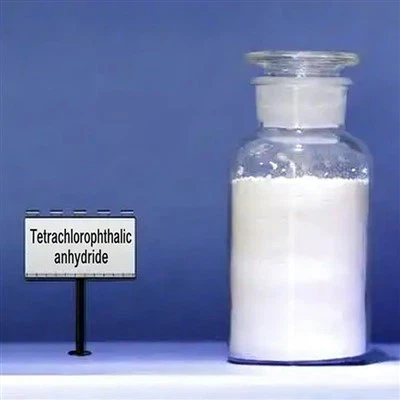
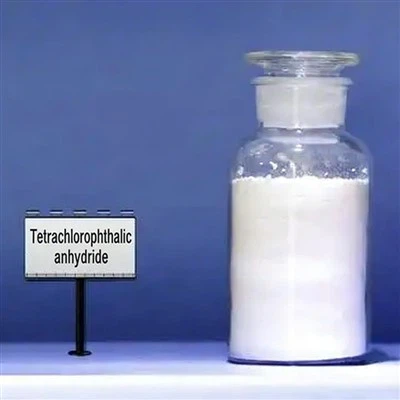
Hey there! As a supplier of Flame - retardant Tetrachlorophthalic Anhydride (TCPA), I'm super excited to share some insights on how to formulate a coating using this amazing compound. TCPA is a game - changer in the world of flame - retardant coatings, and I've seen firsthand the incredible results it can bring.
First off, let's talk a bit about TCPA itself. Tetrachlorophthalic Anhydride (TCPA) is a white crystalline solid. It's widely used in various industries, not just for flame - retardant coatings. For example, it's also used as Tetrachlorophthalic Anhydride for Pesticide Intermediates and in TCPA for Epoxy Resin. But today, our focus is on its role in coatings.


Understanding the Flame - Retardant Mechanism of TCPA
Before diving into the formulation process, it's crucial to understand how TCPA works as a flame retardant. When exposed to high temperatures, TCPA releases chlorine radicals. These radicals react with the highly reactive hydrogen and oxygen radicals that are produced during the combustion process. By doing so, they interrupt the chain reaction of combustion, essentially stopping the fire from spreading. This makes it an ideal choice for formulating coatings that can resist fires and potentially save lives and property.
Selecting the Right Base Resin
The first step in formulating a TCPA - based flame - retardant coating is to choose the right base resin. The base resin is like the foundation of your coating. It provides adhesion, durability, and other essential properties. Common base resins used in flame - retardant coatings include epoxy resins, acrylic resins, and polyurethane resins.
Epoxy resins are a popular choice because they offer excellent adhesion, chemical resistance, and mechanical properties. TCPA for Epoxy Resin can be easily incorporated into epoxy resin systems to achieve good flame - retardant performance. Acrylic resins, on the other hand, are known for their fast drying time and good weatherability. They are often used in exterior coatings. Polyurethane resins provide high flexibility and abrasion resistance, making them suitable for coatings in high - traffic areas.
Determining the TCPA Concentration
Once you've selected the base resin, the next step is to determine the appropriate concentration of TCPA. This is a critical step because too little TCPA may not provide sufficient flame - retardant properties, while too much can affect the coating's other properties, such as adhesion and flexibility.
The optimal concentration of TCPA depends on several factors, including the type of base resin, the intended application of the coating, and the desired level of flame retardancy. In general, a concentration of 10% - 30% TCPA by weight is commonly used in flame - retardant coatings. However, for applications where a higher level of flame retardancy is required, the concentration may be increased up to 40% or even higher. When working with High - purity Tetrachlorophthalic Anhydride (≥99.5%), you may find that lower concentrations can still achieve good results due to its high quality.
Adding Other Additives
In addition to TCPA and the base resin, several other additives are often included in the coating formulation to enhance its performance.
- Filler: Fillers can improve the mechanical properties of the coating, such as hardness and abrasion resistance. Commonly used fillers include calcium carbonate, talc, and mica. They can also help reduce the cost of the coating without significantly affecting its flame - retardant properties.
- Dispersant: A dispersant is used to ensure that TCPA and other additives are evenly distributed throughout the coating. This helps to prevent agglomeration and ensures consistent performance of the coating.
- Curing Agent: If your base resin requires a curing process, a curing agent must be added. The type and amount of curing agent depend on the type of resin used. For example, epoxy resins typically require an amine - based curing agent.
The Mixing Process
The mixing process is crucial to ensure a homogeneous coating formulation. Here's a general guide on how to mix the ingredients:
- Start by adding the base resin to a mixing vessel. The vessel should be clean and dry to prevent any contamination.
- Slowly add TCPA to the base resin while stirring continuously. Use a high - speed mixer to ensure proper dispersion. If you're using TCPA for Flame Retardant, make sure to follow the recommended handling procedures.
- Once TCPA is well - dispersed, add other additives such as fillers, dispersants, and curing agents. Add them one by one, and continue stirring after each addition.
- After all the ingredients are added, mix the coating for an additional 15 - 30 minutes to ensure a uniform mixture.
Testing the Coating
Before applying the coating on a large scale, it's essential to test its performance. There are several standard tests available to evaluate the flame - retardant properties of coatings, such as the UL 94 test and the ASTM E84 test.
The UL 94 test measures the flammability of plastic materials and is often used to evaluate the flame - retardant performance of coatings. It classifies materials into different categories based on their burning behavior, such as V - 0, V - 1, and V - 2, with V - 0 being the most flame - retardant.
The ASTM E84 test, also known as the Steiner Tunnel test, measures the surface burning characteristics of building materials. It provides information about the flame spread index and the smoke - developed index of the coating.
By conducting these tests, you can ensure that your coating meets the required flame - retardant standards and performs well in real - world applications.
Conclusion and Call to Action
Formulating a coating with Flame - retardant Tetrachlorophthalic Anhydride may seem like a complex process, but with the right knowledge and approach, it can be achieved successfully. TCPA offers a reliable and cost - effective solution for enhancing the fire resistance of coatings in various industries.
If you're interested in purchasing high - quality TCPA for your coating formulation needs, don't hesitate to reach out. We're here to provide you with the best products and support. Whether you have questions about the product, need technical advice, or want to discuss pricing, we're more than happy to help. Let's work together to create safer and more reliable flame - retardant coatings.
References
- [1] "Handbook of Flame Retardancy"
- [2] "Flame - retardant Coatings: Principles and Applications"
- [3] Various technical documents from chemical industry associations